
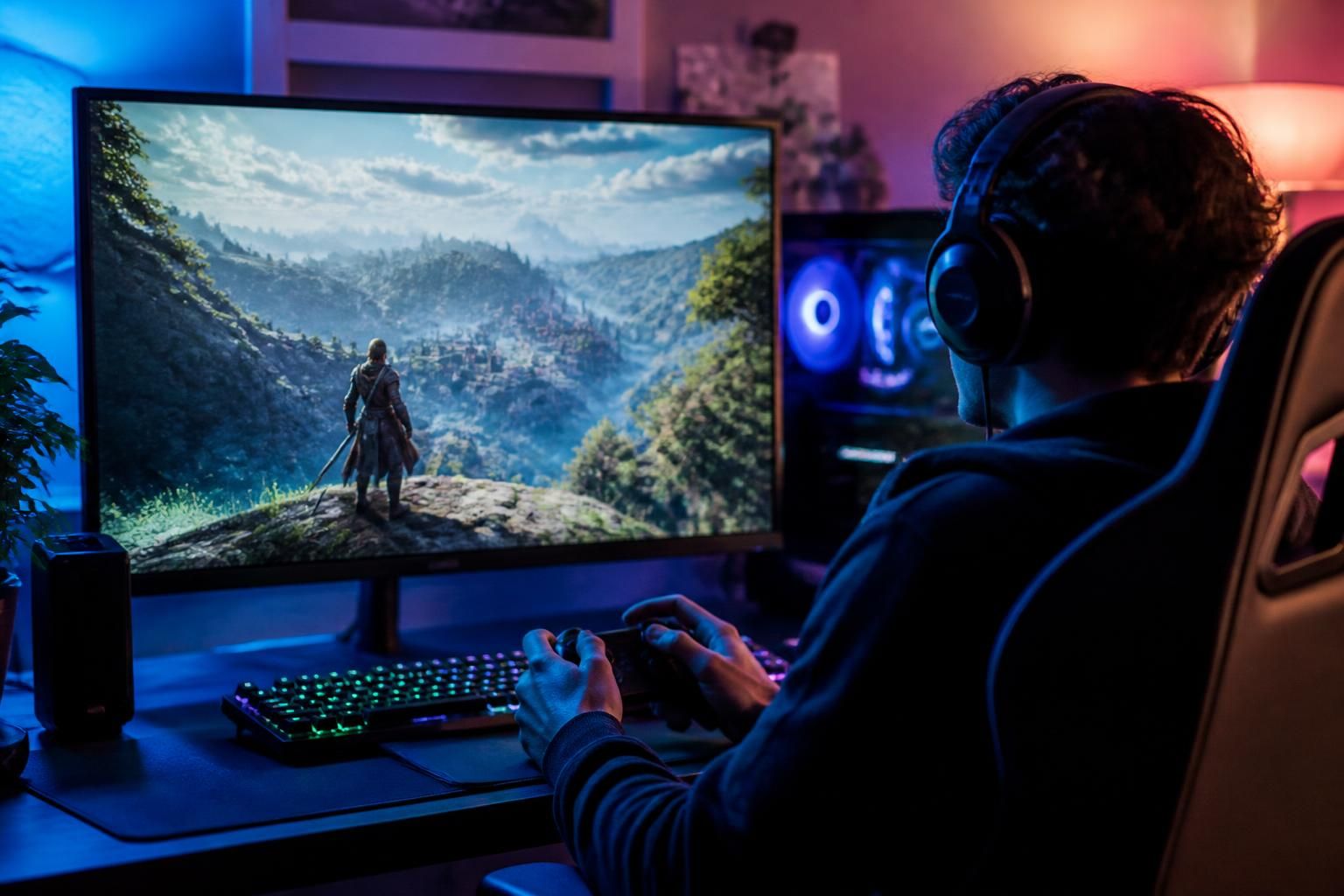
Game soundtracks and music have become an integral part of the gaming experience, significantly enhancing how players engage with their favorite titles. From the sweeping orchestral scores that accompany epic adventures to the pulsating rhythms of electronic music in fast-paced shooters, soundtracks play a critical role in immersing players in virtual worlds. This article explores how game soundtracks and music contribute to emotional engagement, narrative development, and overall gameplay dynamics.
Emotional Engagement Through Music
One of the primary functions of game soundtracks is to evoke emotional responses from players. Music has the unique ability to enhance a moment, making achievements feel more rewarding or losses more poignant. For instance, in narrative-driven games like The Last of Us, the hauntingly beautiful score composed by Gustavo Santaolalla reinforces themes of loss and survival, shaping the emotional landscape of the story. Players are not merely observers; they become participants in the unfolding drama, often feeling a deeper connection to the characters and their journeys.
Additionally, soundtracks can influence the pace and intensity of gameplay. In horror games such as Silent Hill, dissonant soundscapes and unsettling ambient music create a sense of dread, enhancing the tension and fear that players experience. By manipulating sound, developers can lead players through emotional highs and lows, ensuring that the player experience is rich and multifaceted.
The Role of Music in Game Narrative
Game soundtracks are not just background noise; they are vital narrative tools that help communicate story elements and character arcs. Music can signal transitions in a game’s narrative, alerting players to significant plot developments or changes in the environment. In RPGs like Final Fantasy, the iconic battle themes often accompany key encounters, providing a sense of urgency and excitement, while serene melodies may play during moments of reflection and exploration.
Moreover, motifs associated with specific characters or locations can deepen player investment. For example, in The Legend of Zelda series, the recurring “Zelda’s Lullaby” theme evokes nostalgia, instantly transporting players back to pivotal moments in the franchise. This clever use of thematic material reinforces not only the game’s story but also the player’s personal connection to it.
Soundtrack Variety and Player Experience
The variety in game soundtracks also contributes to the overall player experience. Different genres of music can enhance gameplay mechanics and settings in unique ways. For instance, fast-paced electronic music is commonly used in racing games and platformers to match the rapid action, while orchestral scores are prevalent in fantasy and adventure genres to evoke grandeur and exploration.
Mobile games, too, have recognized the importance of soundtracks. Titles like Alto’s Adventure feature soothing background music that complements the serene visuals and relaxed gameplay, providing a meditative experience. On the other hand, competitive esports games often incorporate high-energy tracks to pump up players and viewers alike, further engaging the audience during intense matches. This diversity in musical styles ensures that soundtracks cater to various genres, enhancing the player experience across platforms. For more on this topic, see สล็อตเว็บตรง.
How Game Soundtracks Influence Community and Culture
Game soundtracks have transcended their original context, becoming cultural phenomena that spark community engagement. Fans often create remixes, covers, and fan art inspired by their favorite video game music. Concerts dedicated to game soundtracks, such as the “Distant Worlds” series for Final Fantasy, attract large audiences and celebrate the artistry behind video game music.
Additionally, the rise of platforms like YouTube and Spotify has allowed game soundtracks to reach wider audiences. Players can enjoy their favorite melodies outside of the gaming environment, which fosters a deeper appreciation for the composers and the work that goes into creating these soundscapes. The availability of soundtracks, often bundled with game purchases or available for streaming, allows players to carry a piece of their gaming experience into their everyday lives, further solidifying the connection between music and gaming culture.
The Future of Game Soundtracks and Music
Looking ahead, the landscape of game soundtracks is likely to evolve with advancements in technology and changes in player expectations. Innovations in virtual reality (VR) and augmented reality (AR) are already beginning to influence how music is integrated into gameplay. Immersive soundscapes that shift based on player movement and actions will likely become more prevalent, providing an even richer auditory experience.
Moreover, as the gaming industry becomes increasingly collaborative, we may see more well-known musicians and composers from diverse backgrounds contributing to game soundtracks. This melding of musical styles can lead to innovative soundtracks that defy traditional genre boundaries. For instance, collaborations between indie game developers and prominent artists have already produced memorable soundtracks that resonate with both gamers and music enthusiasts.
Conclusion
Game soundtracks and music serve as a crucial component of the player experience, shaping emotional engagement, enhancing narrative depth, and fostering community interactions. As the gaming landscape continues to evolve, the importance of music within games will likely grow, opening new avenues for creativity and player connection. Whether through epic orchestral scores or engaging electronic beats, the impact of soundtracks will remain a defining element of what makes gaming a powerful form of art and entertainment.
Leave a Reply